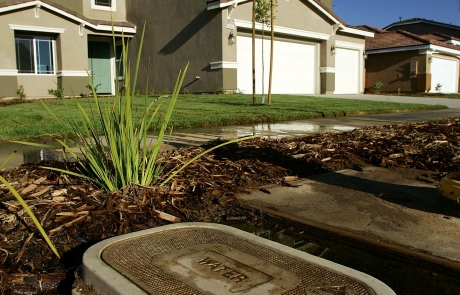


There isn’t one hardness level for all of Long Island. Homes get water from different wells and water districts, so mineral levels change from one community to another. Some areas have soft water, while others have enough calcium and magnesium to leave scale behind.
For example, the St. James Water District reported an average hardness level of 48 parts per million, which it considers soft. A home in another district may have a different result. Check your local water report or have the water tested if you see white deposits, cloudy glasses, or clogged faucet screens.
Hard water is generally safe to use. The larger concern is what its minerals can do inside your plumbing.
How Hard Water Affects Plumbing
So, does hard water affect plumbing? Yes, but the damage usually develops slowly.
Each time water flows through a pipe, a small amount of calcium and magnesium may stick to the inside. These minerals harden into scale. The opening inside the pipe can become smaller as the layer gets thicker. This may lower the water flow at a sink or shower.
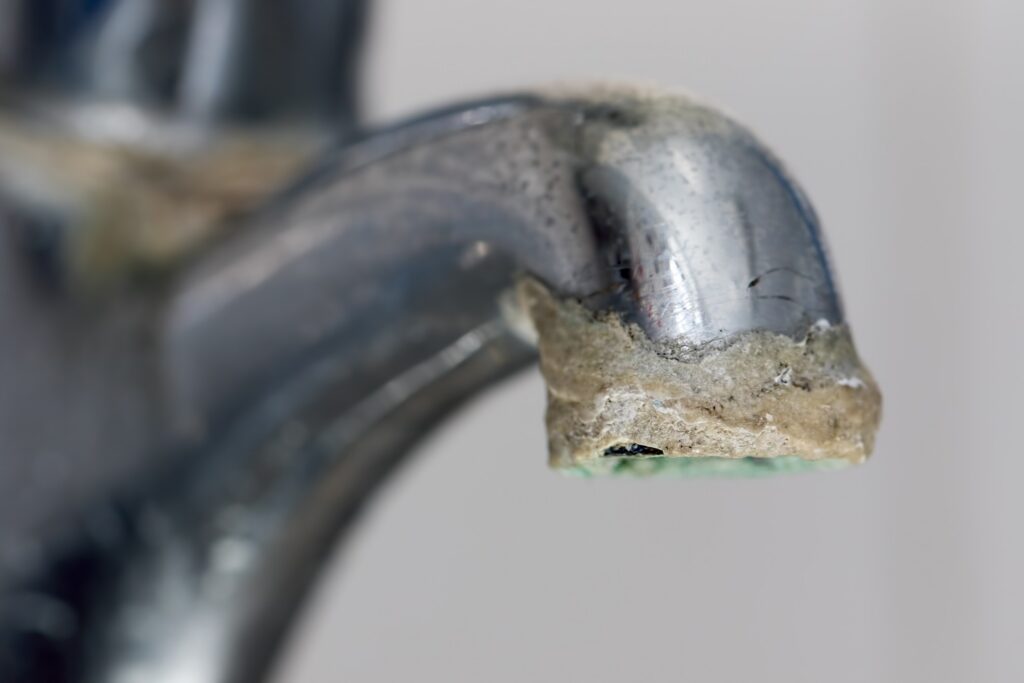
Scale also collects in small openings. A faucet aerator may clog, causing water to spray sideways. Showerhead holes may close one at a time. Fill valves in toilets and washing machines may also stop working properly.
Hot water can make the problem worse. Minerals settle inside a tank water heater and form a hard layer near the bottom. This layer sits between the burner or heating element and the water. The unit may take longer to heat, make popping sounds, or run out of hot water sooner.
Scale doesn’t cause every leak or pressure problem. A partly closed valve, damaged pipe, or worn fixture can cause similar signs. A plumber can check the system and find out whether scale or another problem is responsible. Cornetta Bros. offers complete plumbing services for these concerns.
Hard Water Warning Signs
Hard water often leaves clues that are easy to see. Look for:
- A white, crusty ring around a faucet
- Showerhead holes blocked by chalky deposits
- Water spraying unevenly from a faucet aerator
- White spots on glasses after they dry
- A cloudy film on shower doors
- Soap that doesn’t rinse away easily
- Lower flow from one or more fixtures
- Popping or rumbling sounds from a water heater
- Less hot water than the tank once provided
Check several areas of the home. Scale on one old faucet may only mean that the fixture needs cleaning. The same buildup on sinks, tubs, and appliances points to a larger hard water problem.
Slow drains can appear at the same time, but scale inside the water lines isn’t usually the direct cause. Hard water reacts with soap and can create a sticky film. Hair and other waste may catch on that film and help form a drain clog.
Protecting Your Plumbing System
Clean mineral deposits from faucet aerators and showerheads. Replace clogged screens or fixtures if cleaning doesn’t help. This may improve water flow, but it won’t remove scale inside the pipes.
Schedule plumbing repair if a faucet drips, a valve sticks, or the water flow stays weak. A plumber can check the fixture and nearby water line.
A pipe with heavy buildup or corrosion may need repair. If only one area is damaged, the plumber may be able to replace a small section. Weak flow from several fixtures may require a larger inspection.
Soap film, hair, food, and grease can also block drains. Professional drain cleaning can clear buildup that a plunger or drain screen can’t remove.
Minerals can also settle inside a water heater. Some units can be flushed. An older tank with heavy buildup, leaks, or heating problems may need to be replaced. Professional water heater services can help determine the right option.
Test your water before installing treatment equipment. The results will show how hard the water is and whether treatment may help.
Get Help With Hard Water
Cornetta Bros. Plumbing & Heating has solved plumbing problems for Long Island families since Edwin Cornetta started the business in 1946. Now in its fourth generation, our family business continues to provide careful work, in-house training, and service we stand behind.
If mineral buildup has caused low water flow, clogged fixtures, pipe damage, slow drains, or water heater trouble, our licensed plumbers can find the cause and explain the repair options. We don’t give up on difficult plumbing problems.
Contact Cornetta Bros. to schedule help with mineral buildup, low water flow, clogged drains, damaged pipes, or water heater trouble.